



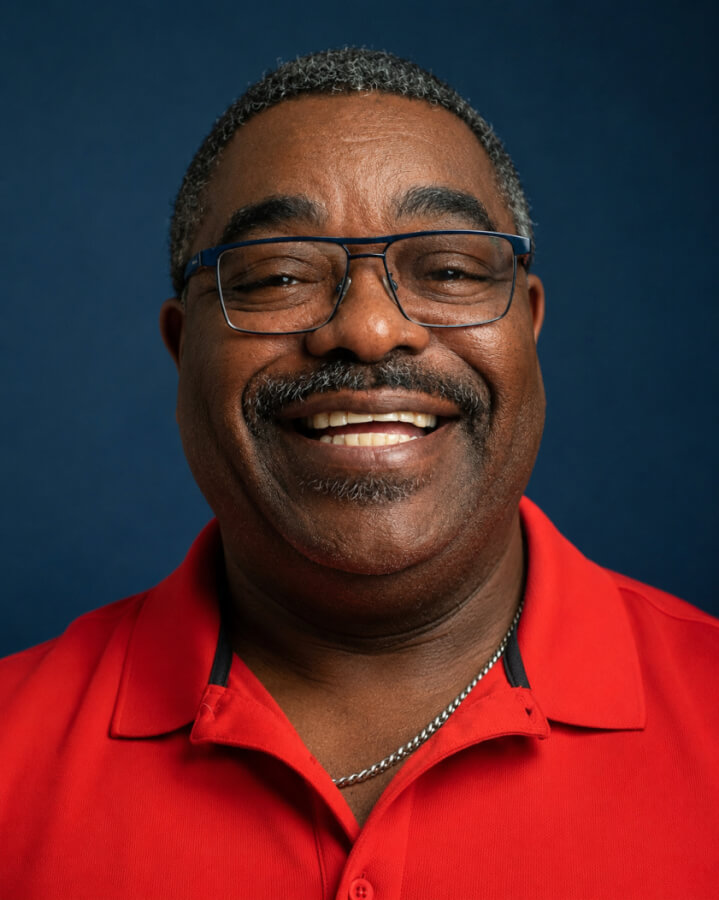
Specialized spine care helped Walter Lewis recover after a severe spinal cord injury left him unable to move.
On a Friday morning, Walter Lewis made a promise.
Just days earlier, he had been walking the halls of a San Antonio middle school. Now, lying in a hospital bed recovering from a severe spinal cord injury, movement was measured in inches with the wiggle of a toe, the twitch of a leg and the slight lift of a wrist.
But movement was returning.
“Doc,” Lewis remembered saying, “when you come in on Monday, I’m going to shake your hand.”
He spent the weekend focused on that goal. When Monday came, Lewis raised his arm and extended his hand.
“I didn’t have much grip,” he said, “but that effort was there.”
For the Army veteran and longtime educator accustomed to setting goals and pushing others toward them, that handshake represented something much larger.
He was coming back from all of this.
A fall changed everything
Lewis spent 31 years as an educator, working his way from teacher’s aide to teacher, counselor and then principal. Even after retirement, he returned to it because helping others, he said, has always given his life purpose.
“A person has to find their mission in life and find out what they’re here to do,” Lewis said. “I think that my mission in life is to help other people in any way I can.”
Then, in February, the person accustomed to helping others suddenly needed help himself.
After walking around 15,000 steps during his typical workday, Lewis got up that evening to go to the kitchen. He fell and could no longer move.
“I was paralyzed,” he said.
Spine surgeon Jeffrey M. Hills, MD, MSCI-TS, with The Spine Center at UT Health San Antonio, was on call when Lewis arrived at University Hospital, part of University Health, a longstanding academic and clinical partner of UT Health San Antonio.
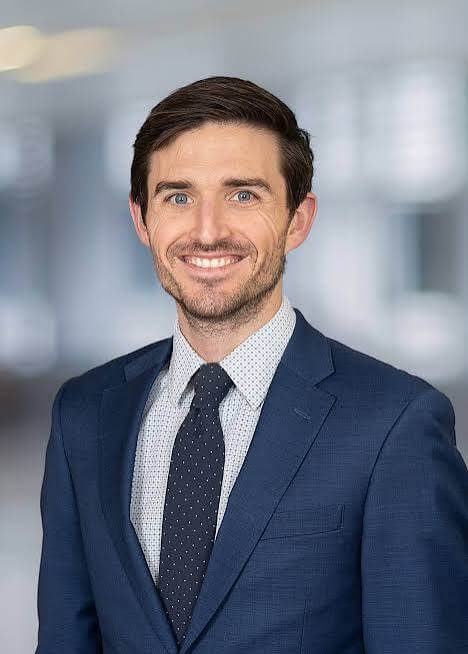
Hills determined that Lewis had suffered a severe spinal cord injury known as central cord syndrome, causing profound weakness in his arms and legs. Lewis also had severe cervical stenosis, a narrowing of the spinal canal that left little room to accommodate swelling of the injured spinal cord, making the consequences of his fall particularly severe. With ongoing pressure on the spinal cord, timely treatment was critical.
“When we identify the diagnosis and that there’s ongoing spinal cord compression, then it really becomes about timing,” Hills said. The goal, he explained, is to expedite surgical care when necessary “to give the spinal cord the best possible opportunity for neurologic recovery.”
Lewis underwent emergency surgery to relieve pressure on the spinal cord and stabilize his spine.
What no one could predict was how much function would return.
“That’s always uncertain with these sorts of injuries,” Hills said. So, Lewis began looking for signs.
“I got movement in my toes on the first day. Second day, I got movement in my feet,” he said. By the third and fourth days, he remembered movement returning farther up his legs. Then came tingling in his fingers. By the seventh day, he could lift his wrist.
Clinically, those changes mattered. “Any time we see neurologic improvement after surgery in an injury like this, that’s usually a very good sign,” Hills said.
‘They were the how’
Lewis was determined to walk again. He just didn’t know how to go about it yet.
“I was motivated,” he said, “but I didn’t know how.”
Physical therapists began by helping him sit upright. Then they helped him stand. “I was like a little kid,” Lewis said. “I was learning to walk again.”
The experience reminded the former counselor what he had spent years doing for others: helping them find a way forward when they could not see it themselves.
“They were the how,” he said.
That distinction is important to Hills.
Surgery can relieve ongoing compression and create a more favorable environment for neurologic recovery, he said, but rehabilitation and the patient’s participation are essential. Lewis brought his faith, his Army training, and his personal determination, but Hills cautioned him to be patient. Recovery from a spinal cord injury is rarely linear and can continue for months or even years, he said.
Lewis’ rehabilitation continued at the Audie L. Murphy Memorial Veterans’ Hospital, reflecting UT Health San Antonio’s longstanding relationship with the VA and the connections among academic medicine, specialized care and veterans’ healthcare across San Antonio. There, Lewis kept pushing forward, progressing from assisted walking to using a walker and eventually walking without one.
At an early post-operative appointment, Lewis was eager to show Hills what he could do.
He stood. Then he walked across the examination room without his walker.
“Seeing that level of progress so early was remarkable,” Hills said of Lewis exceeding expectations within months.
“That made my day,” Hills said.
Back to his mission
Today, Hills describes Lewis’ neurological recovery as remarkable, with near-complete return of function. Follow-up care continues to monitor Lewis’ healing and surgical repair.
In the end, recovery has become about more than walking for Lewis.
During rehabilitation, he said other patients began noticing his progress. Some would call him over and ask him to take their hands so he could feel their grip strength returning.
One told him, “I’m going to be like you. I want to walk.”
Later, another patient confessed to Lewis that he had planned to give up relearning to walk because rehabilitation seemed too difficult. After hearing Lewis’ story and then witnessing him in physical therapy working hard, walking and encouraging others, he decided to try again.
Even as his own recovery continues, Lewis has become the counselor again. He views his injury as another way to fulfill the purpose that carried him through more than three decades in education.
“This didn’t happen to me,” he said. “This happened for me.”
The Spine Center at UT Health San Antonio brings together deep expertise across spine surgery, neurosurgery, physical medicine and rehabilitation, interventional pain management and other specialties to provide highly coordinated, multidisciplinary care for patients with complex spine conditions. Its specialists work together to diagnose and treat the full spectrum of spinal disorders, from degenerative disease and chronic pain to complex trauma and spinal cord injury. For more information about The Spine Center, visit uthscsa.edu/physicians/spine-center or call 210-567-7463.